Does Texas homeowners insurance cover water damage?
Learn how Texas home insurance treats burst pipes, slow leaks, sewer backups, and flooding, plus what to check in your policy before a loss.
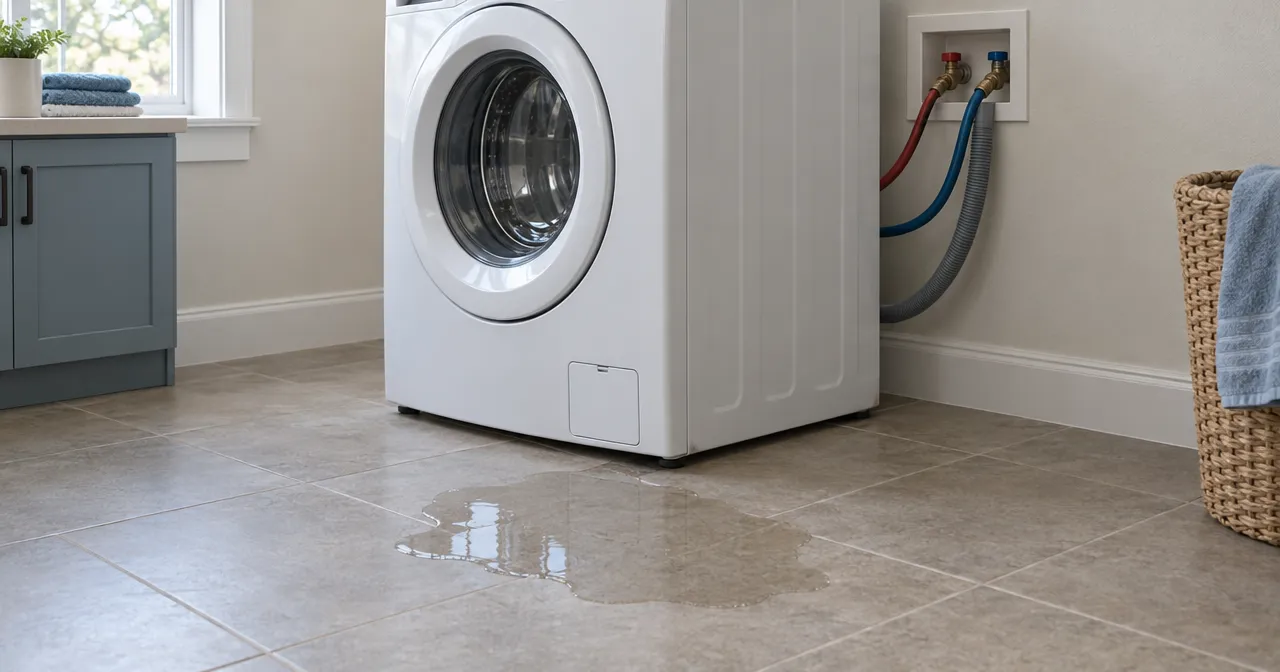
A split washing-machine hose, a backed-up drain, and stormwater that crossed the threshold can all leave you with the same wet baseboards. But they can lead to three different insurance conversations. In Texas, homeowners insurance often covers damage from a sudden, accidental release of water. A sewer or drain backup depends on the policy and any add-on coverage. Flooding generally requires a separate policy.
Start with where the water came from and what caused it to enter the room. If you don’t know yet, describe what you saw rather than guessing at the cause. Then check the policy language, including any endorsements that change it. Here’s how those distinctions play out and what to ask before you buy or renew.
A burst pipe and a slow leak aren’t treated the same
Say a freeze splits a pipe in the attic. When it thaws, water pours through the ceiling and damages drywall and flooring. That’s the kind of sudden, accidental event many homeowners policies cover. A washing-machine supply hose that bursts is another example. Compare that with a fitting under the kitchen sink that drips for months and gradually warps the cabinet. Finding the damage all at once doesn’t mean the leak happened all at once. The Texas Department of Insurance’s water damage and mold guide notes that most home policies don’t cover damage from gradual leaks or seepage.
When you read the policy, separate the cost of fixing the source from the cost of repairing the resulting damage. Imagine that a plumber has to open a wall to reach a failed pipe. There are three different items on that estimate: replacing the pipe, opening and restoring the wall to reach it, and repairing the flooring the water damaged. Don’t assume that an answer about coverage for the flooring also settles the other two. Ask how the policy treats each item. If the line runs under a slab, ask whether the policy addresses access through the slab and damage to the foundation separately.
Mold raises another distinction. Replacing a piece of drywall damaged by covered water is different from paying a company to test the house or remove mold beyond that damaged area. Many home policies don’t include that broader cleanup and testing, though some insurers offer additional coverage for mold related to a covered loss. Ask what’s included and whether there’s a separate limit. If you’re reviewing freeze coverage for a house that sits empty for stretches, ask what conditions apply when you’re away, rather than assuming the same terms apply in every situation.
Water coming up through a drain is a different question
Picture a laundry room where water comes up through the floor drain after a sewer line clogs, soaking the baseboards and a rug. That’s a different event from a pressurized washer hose splitting next to the same drain. The Texas Department of Insurance’s homeowners guide lists sewer or drain backup among common endorsements. An endorsement is a form that changes the base policy. Some home policies provide backup coverage; others may require you to add it. Your own policy and endorsements tell you which applies.
When comparing quotes, ask for the backup endorsement itself, not just a check mark next to “water damage.” Does it address the sewer, an interior drain, or a sump if the home has one? Does it cover damage to belongings as well as the building? What about removing contaminated material and drying the room? Ask whether the amount shown is a separate limit and whether there’s a different deductible. Also ask whether the endorsement addresses clearing or repairing the line, or only the damage the backup leaves behind.
For example, suppose one quote lists a $5,000 backup limit and another lists $15,000. If an otherwise covered backup leaves $12,000 in eligible damage, the first quote’s backup coverage can’t pay more than $5,000, even if the dwelling limit is much higher. The second limit is large enough to accommodate $12,000, but it doesn’t tell you what the insurer would actually pay. You still need the deductible and the wording that says which costs qualify. These are illustrative figures, not rates or standard limits.
Water that rises outside calls for a flood insurance review
Suppose heavy rain sends runoff across several properties, and it reaches your house through a ground-level door. That’s the kind of event to evaluate under flood insurance rather than relying on a homeowners policy. Under FEMA’s National Flood Insurance Program (NFIP), flooding generally means a temporary inundation of normally dry land that affects at least two acres or at least two properties, one of which is yours. FEMA’s guide to what counts as a flood explains which causes qualify, including rapid surface runoff and overflowing inland or tidal waters.
A drain can be involved in a flood loss, too. An NFIP policy may cover damage from a sewer backup if the backup directly results from qualifying flooding. It won’t cover a backup that comes from an ordinary clog instead. The fact that a backup happened on a rainy day doesn’t, by itself, tell you which caused it. If there’s evidence of both outdoor flooding and a backup, document both and contact the relevant insurers promptly. For instance, note whether you saw water at the threshold and where it first appeared inside. Tell each insurer what you observed and what you don’t know.
If you’re comparing flood options, check what you’re buying for the building and what you’re buying for belongings. On an NFIP policy, those coverages are purchased separately and have separate deductibles. Building coverage can address eligible items such as permanently installed cabinets; contents coverage can address eligible belongings such as a sofa or washer and dryer. NFIP coverage doesn’t pay additional living expenses like a hotel stay while your home is repaired. Private flood policy terms can differ, so compare the actual provisions rather than carrying assumptions from one quote to another.
Look up your address through FEMA’s Flood Map Service Center. A map is a starting point for understanding risk; being outside a mapped high-risk area doesn’t mean a home can’t flood. Also ask when coverage starts. The NFIP generally has a 30-day waiting period, with exceptions, including for certain mortgage transactions. If you’re buying a home, confirm the actual effective date rather than assuming coverage will start on the day you request a quote.
If you find water in the house, what should you do first?
- Make sure it’s safe. Don’t step into standing water to reach a switch, outlet, or appliance. Keep away from suspected sewage and get qualified help if there’s an electrical or contamination hazard. The CDC’s guidance on reentering a flooded home explains when to stay out and get help. If the water is from an indoor supply line and you can reach the shutoff safely, turn it off. A shutoff won’t stop runoff coming in from outside or water backing up from a sewer.
- Record what you see before cleanup, if it’s safe. Take wide photos that show where the water traveled and close-ups of damaged surfaces and belongings. If outdoor water may have entered, photograph exterior water lines or the point of entry when it’s safe. Note when you first noticed the water and what you did next. If a plumber investigates, ask for a written description of what they found, not just an invoice total.
- Report the damage promptly. Contact your homeowners insurer or flood insurer as appropriate. If there may be two causes, let the relevant insurers know rather than waiting for a final diagnosis. Ask what records they need, whether they want to inspect before demolition, and how to handle items that aren’t safe to keep.
- Limit further damage without starting permanent repairs on your own. Arrange safe drying or emergency help as needed and keep itemized receipts. Ask the insurer about temporary work and discuss permanent repairs before proceeding. If you have an NFIP claim, its flood claim guide explains how to report the loss and document the damage.
A useful record is specific without being a diagnosis: “At 7 a.m., I saw water at the laundry-room doorway and coming up through the floor drain. The plumber arrived at 9 a.m.” That’s more helpful than just saying “the house flooded,” which could describe how much water you saw without explaining how it got there.
What to pull out at renewal
Start with the declarations page for the limits and deductibles, then open the policy form and endorsements for the actual coverage and exclusions. If you’re comparing two quotes, ask each insurer or agent to point to the wording for the same scenarios. You can use this short list:
- Sudden plumbing leak: If a supply line breaks, how does the policy handle the water damage, the failed part, and access to the pipe? What if it’s under the slab?
- Slow leak and mold: How does the policy treat repeated leakage or seepage? Does it distinguish damage to a covered item from mold testing or cleanup elsewhere?
- Sewer or drain backup: Is coverage included or optional? Where are the limit, deductible, and exclusions shown? Does the form distinguish a backup from outside flooding?
- Flood: Is there a separate policy? Are both building and contents insured, what deductibles apply, and when does coverage begin? What expenses would you need to cover yourself if you couldn’t stay in the house?
You don’t need to predict the exact loss to make the comparison useful. Pick examples that match your house: a washer next to a finished hallway, a plumbing line under a slab, or a ground-level door facing a low part of the yard. If two quotes give you different answers for the same example, ask which policy wording explains the difference before comparing price.
If you’re buying a home or reviewing your renewal, Wesley Brown Insurance’s Texas home insurance page lists other terms worth comparing, including rebuilding limits and storm deductibles. You can also bring your current declarations page and endorsements when you request a home insurance quote.